

No More Coal Production, Enforce Windfall Tax!
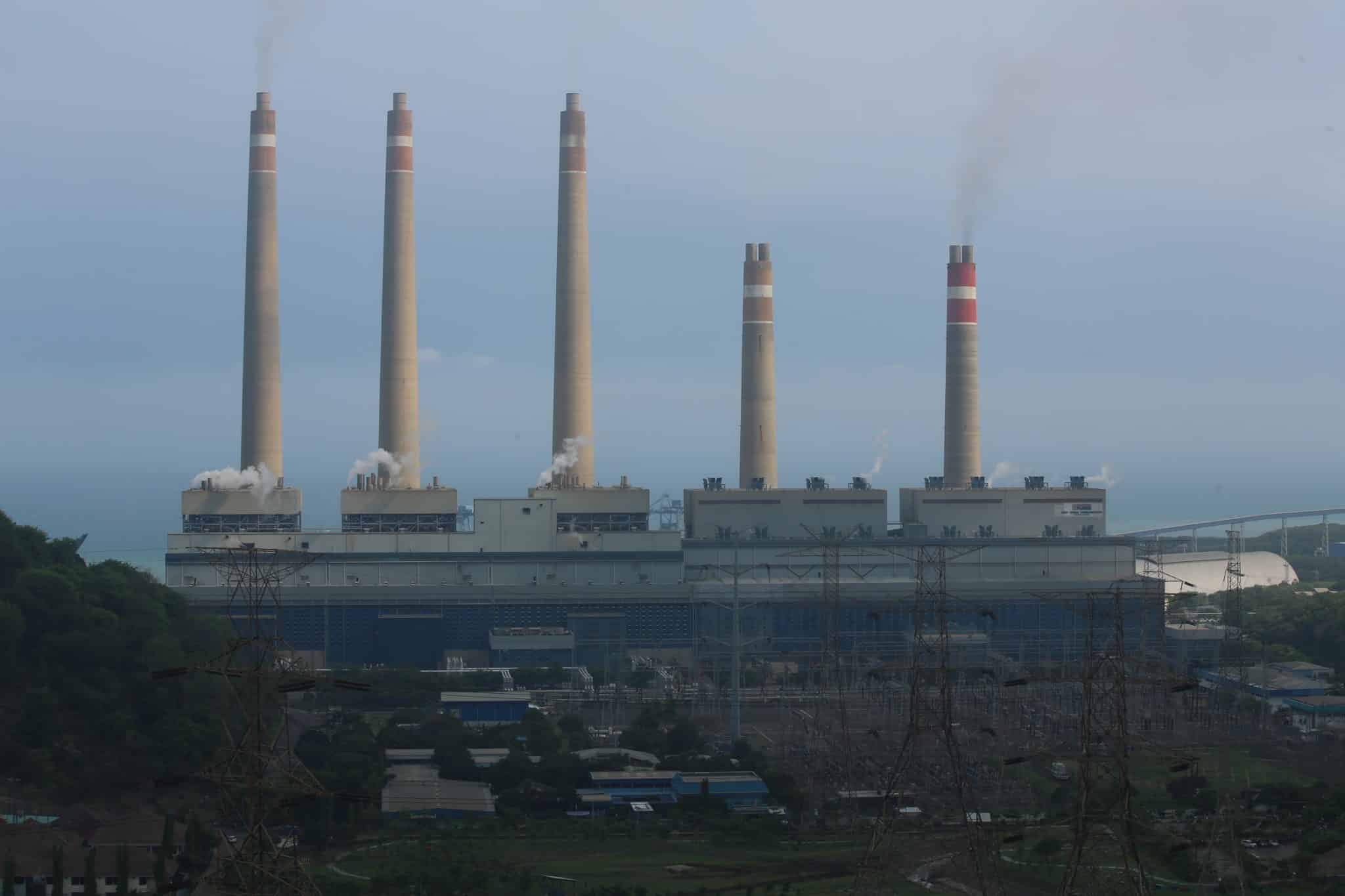
Jakarta, 28 August 2026 — The government is seen as demonstrating a fundamental inconsistency in formulating fiscal policy and the energy transition. Amid the urgent need to expand fiscal space for disaster recovery and climate crisis mitigation, the government has instead chosen to postpone the implementation of a Windfall Profit tax on coal companies, while considering an increase in coal production quotas through the Work Plan and Budget (RKAB). This decision was made precisely when coal market conditions met the criteria for the windfall profit tax—in fact, these conditions were the main reason the tax was needed in the first place.
The Newcastle coal benchmark price stood at USD 131.25 per metric ton on August 26, 2026, up 18% from the same period last year (Trading Economics). Listed companies’ profits followed suit in the first quarter of 2026. However, the government did not collect any taxes on those excess profits, as the relevant tax instrument had yet to be implemented.
Coordinating Minister for Economic Affairs Airlangga Hartarto previously stated that the government would not yet impose Windfall Tax in this year. On the other hand, Finance Minister Purbaya Yudhi Sadewa cited increased coal production as one of the means of boosting government revenue. In fact, Windfall Tax has designed as one of the strategic tools to optimize government revenue from the tax sector in a more equitable manner.
Now, instead of imposing taxes, the government is actually boosting revenue from the extractive sector by increasing coal production. This contradictory policy has been criticized by researchers and civil society organizations. Jaya Darmawan, a researcher at CELIOS, argues that boosting coal production is a misguided move that sacrifices the future of the environment for the sake of short-term solutions.
“Increasing coal production may boost revenue in the short term, but it does not solve structural problems because it perpetuates extractivism and the use of dirty energy in Indonesia. This is in stark contrast to a windfall tax, which specifically targets excess profits from the coal industry, thereby ensuring fairness in accordance with the ‘Polluter Pays Principle’. The government must ensure that the ultra-wealthy and giant coal companies pay more, and the current tax scheme does not yet accommodate that,” said Jaya.
Similarly, Dwi Wulan Ramadani from CERAH emphasized that this instrument should no longer be treated as a new concept. Moreover, the policy framework regarding Windfall Tax has been officially included in the draft 2027 Government Performance Plan (RKP). Bappenas has designed it to take effect in 2027 as one of the key measures to achieve the target tax-to-GDP ratio of 10.5%.
“With limited fiscal space and the funding needs for the climate crisis continuing to rise, the government needs new sources of revenue that do not burden households. What is needed now is not another excuse for delay, but the political courage to implement these measures,” said Dwi Wulan.
From the perspective of the budget and social justice, Sisilia Nurmala Dewi from 350 Indonesia highlighted the importance of a national budget that is proactive in addressing disasters. According to her, recovery funding should no longer rely solely on reactive measures or wait for reallocations after a disaster has occurred.
“The massive profits from coal come at the cost of environmental destruction and the suffering of local communities. Ensure these profits are fairly redistributed. Use them to help affected communities recover and strengthen climate resilience. Until now, the costs of ecological disasters—from floods, forest and land fires, and droughts—have always fallen on the public and the national budget. Not on those who profit the most from the crisis,” Sisilia emphasized.
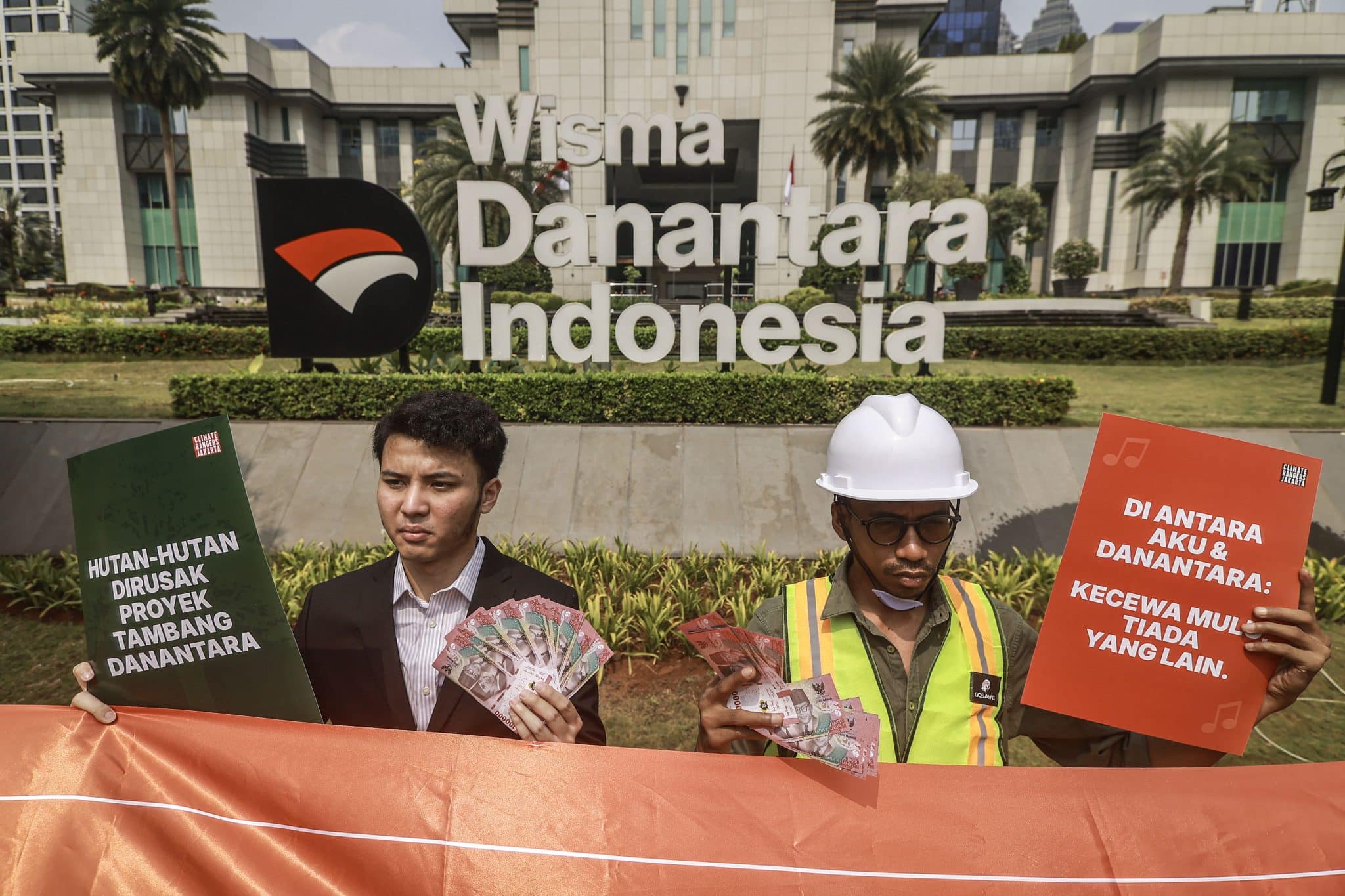
Similar criticism was voiced by Rendy Dharmawansyah of Climate Rangers Jakarta. He pointed out that today’s economic decisions will determine the burden that future generations will have to bear.
“Government revenue from increased coal production is quickly spent within a single fiscal year. However, the government fails to recognize that the green spaces displaced by mining pits, dried-up peatlands, lost biodiversity, and emissions will continue to burden future generations for a much longer period. The government is smart enough to pass on environmental damage, significant climate disaster risks, and costly transition expenses, but it isn’t smart enough to choose to keep fossil fuels in the ground and bequeath to future generations the true capital of energy independence,” said Rendy.
This decision to maintain dependence on coal is also seen as a blow to the government’s own emerging energy transition commitments. On the one hand, President Prabowo Subianto has just launched a nationwide 100 GWp Solar Power Plant (PLTS) program with a three-year acceleration target. On the other hand, however, the tap on fossil fuel extraction is actually being turned on wider again. Consequently, the implementation of a windfall tax in Indonesia is a measure that should have already been initiated to align with the energy transition plan.
For media queries and interviews, please contact:
Dwi Wulan – Indonesia CERAH: 0878-3289-2902
Jaya Darmawan – CELIOS: 0812-2304-0651
Novia Azzahra – Climate Rangers Jakarta: 0858-6353-6548
Suriadi Darmoko – 350 Indonesia: 085737439019
Share Article: